








Remover-Based Tattoo and P-Makeup
Lightening Course in Tallinn:
Theory and Practice
Remover-based lightening of tattoos and permanent makeup in Tallinn is not just a technical procedure, but a precise and thoughtful approach to working with the skin.
This method uses controlled chemical action to gradually reduce pigment intensity. It is often chosen when there is a need to soften color, refine shape, or prepare the skin for a future cover-up.
Unlike laser treatments, this approach works more gradually and relies on the skin’s natural regenerative processes. After the solution is applied, the body responds by slowly bringing pigment to the surface, where it is removed along with the healing crust. As a result, the outcome develops step by step, offering greater control and predictability.
How Remover Technology Works
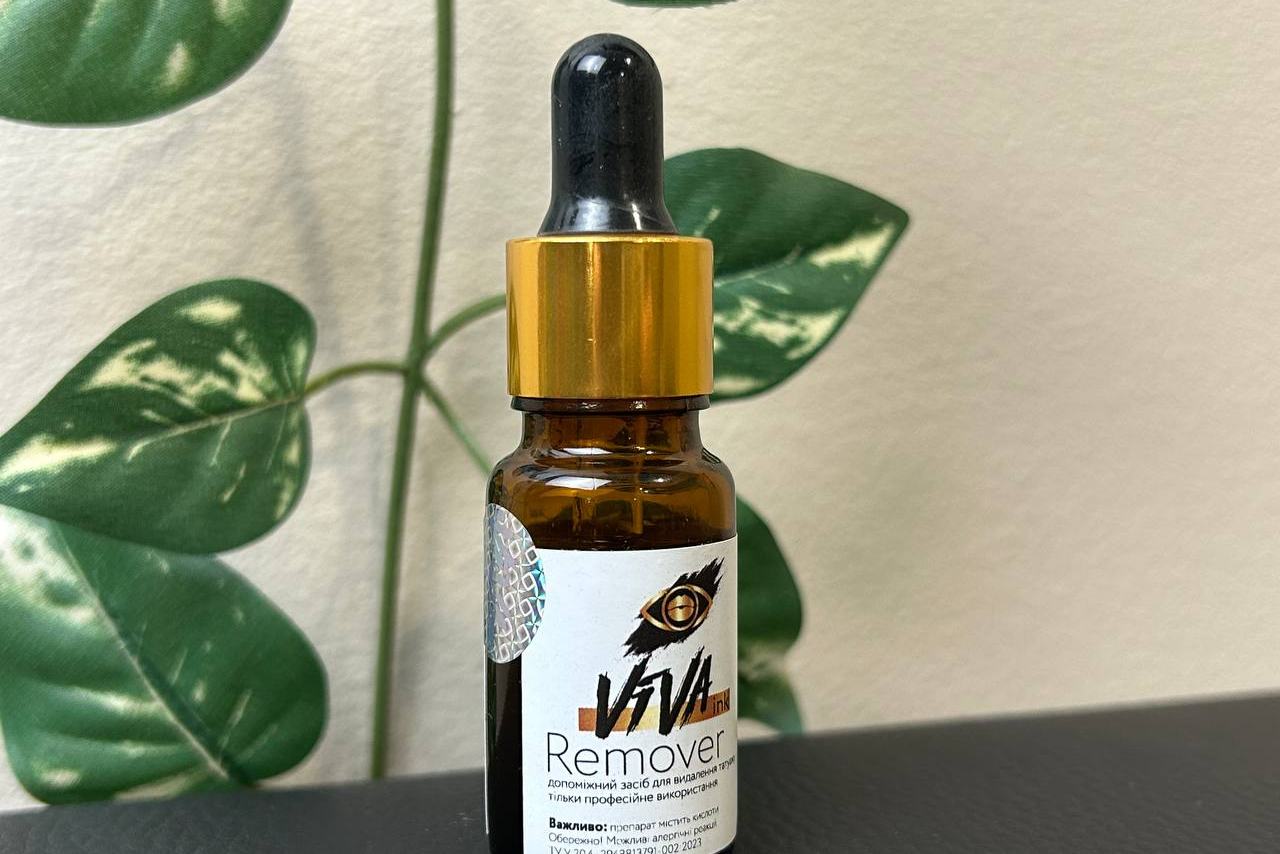
Working with removers requires a clear understanding of what happens beneath the skin. The solution is introduced into the dermal layer, where it interacts with pigment particles and facilitates their gradual movement toward the surface.
Before starting the procedure, a specialist carefully evaluates several key factors that directly influence the result:
- the depth of the pigment
- its density and composition
- the individual characteristics of the client’s skin
Each case is unique, which is why effective work depends not only on technique, but also on careful analysis and planning.

 Create a sketch in the VEAN TATTOO AI generator


Theoretical Foundation
The course begins with a strong theoretical base, helping participants understand how pigment behaves in the skin and how remover-based methods affect this process.
The theoretical module covers essential topics that form the foundation for practical work:
- skin anatomy and dermal structure
- how pigment is retained in the skin
- types and compositions of removers
- the mechanism of pigment extraction
- stages of skin healing
- interaction with different pigment types
- indications and limitations
- possible skin reactions and prevention strategies
- hygiene and safety principles
This knowledge enables specialists to make informed decisions rather than simply follow standard procedures.
Practical Training
Practice is where theory turns into real skill.
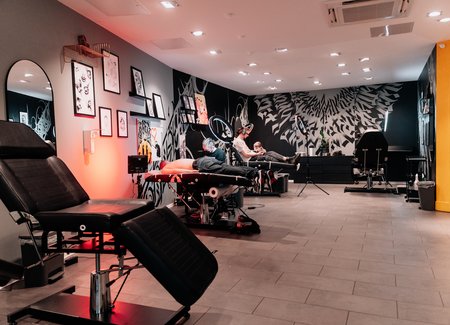
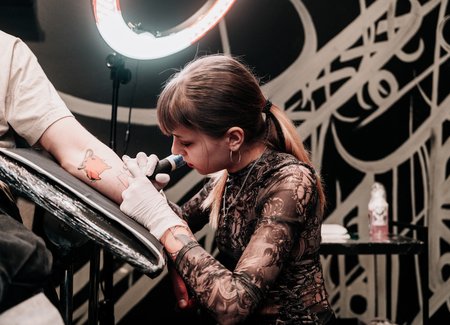
Training is conducted on live models under instructor supervision, allowing participants to apply their knowledge in realistic conditions.
During practical sessions, participants go through all key stages of the procedure:
- performing consultations and assessing the treatment area
- evaluating pigment characteristics and depth
- selecting the appropriate application technique
- controlling the depth of product placement
- achieving even and consistent treatment
- providing aftercare recommendations
Step by step, participants gain a deeper understanding of how the skin responds and how to adjust their technique accordingly.
Hands-On Work with Models
Independent work under supervision is a crucial stage of the training, where both confidence and precision are developed. Participants begin to move beyond repetition and develop a real understanding of the process.
At this stage, special focus is placed on developing key professional skills:
- improving precision and control of movements
- mastering depth control
- observing healing dynamics
- planning a full course of procedures
This experience provides insight not only into immediate results, but also into how outcomes evolve over time.


Learning Outcomes
By the end of the course, participants gain both practical skills and a structured understanding of the entire process, allowing them to work more confidently and effectively.
After completing the training, a specialist:
- understands how pigment is removed from the skin
- works confidently with different skin types
- controls the intensity of the procedure
- minimizes the risk of complications
- guides clients through every stage of recovery
This leads to more consistent and predictable results in professional practice.
Final Note
Working with removers requires accuracy, patience, and a deep understanding of skin processes. Training in Tallinn helps specialists develop a structured and thoughtful approach, making it possible to achieve clean, controlled, and reliable results in tattoo and permanent makeup lightening.


