































 Create a sketch in the VEAN TATTOO AI generator


Tattoo Lightening with Removers
Course: Theory and Practice
Tattoo lightening with removers is a controlled chemical-transdermal method used to gradually reduce pigment density in the dermal layer of the skin.
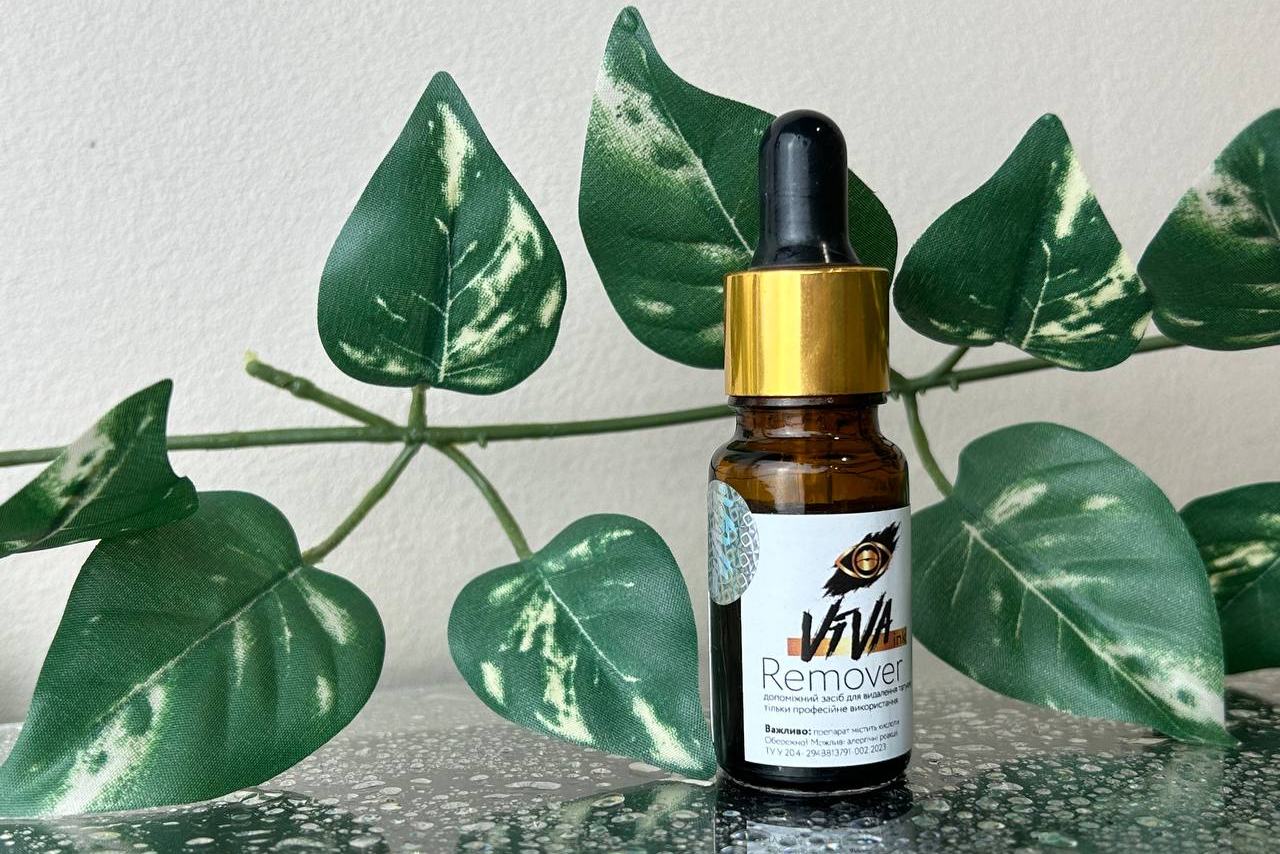
During the procedure, a specialized remover solution is applied to help draw pigment particles toward the surface, where they are naturally eliminated during the healing process.
Unlike laser treatments, this technique relies on chemical pigment extraction and the skin’s natural regenerative mechanisms. For this reason, a specialist must understand not only the technical aspects of the procedure but also the biological processes that occur in the skin during the healing period.
This course provides a comprehensive theoretical foundation along with practical training for safe professional work. The program is designed to help specialists understand how the remover technique functions and how to apply it correctly while following professional safety standards.


Theoretical Module
The theoretical part of the course focuses on the anatomical, physiological, and chemical principles behind the remover technique.
Participants learn how pigment remains fixed in the skin and which factors can influence the final result of the procedure.
Special attention is given to skin structure, pigment retention mechanisms, and the chemical reactions that occur when removers are used. Understanding these processes allows specialists to better predict results and choose the most appropriate treatment strategy.
The course program includes:
- skin structure: epidermis, basal membrane, papillary and reticular layers of the dermis
- the mechanism of tattoo pigment fixation by macrophages
- chemical composition of modern removers (acid-based, alkaline, and saline formulas)
- the principle of osmotic pigment extraction
- controlled inflammatory response and stages of tissue regeneration
- working with organic and inorganic pigments
- the depth of remover application and its influence on the result
- indications and contraindications for the procedure
- possible complications such as scarring, hypo- and hyperpigmentation, and methods of prevention
- aseptic and antiseptic protocols
These theoretical principles help specialists better understand how pigment behaves in the skin and the biological mechanisms involved in the procedure. This knowledge allows professionals to make informed decisions when working with tattoos of different densities and ages.
A separate section of the course is dedicated to skin biomechanics and predicting treatment results. Participants study how pigment density, age, and depth in the skin affect the lightening process.
Practical Module
The practical part of the training is conducted on models under the supervision of an instructor.
This allows participants to safely apply theoretical knowledge and practice the main stages of the procedure.
During the practical sessions, special attention is given to proper technique, monitoring tissue reactions, and following safe working protocols. Participants learn to control the depth of treatment and ensure even processing of the skin.
During practical training participants:
- conduct an initial consultation and collect client history
- determine the type and depth of pigment in the skin
- choose the appropriate remover application technique
- control the depth of tissue impact
- create an even treatment zone
- practice correct post-procedure care protocols
Practical work allows specialists to observe how the skin reacts to the procedure in different situations. Participants also learn to adjust their technique depending on pigment density and individual skin characteristics.
Special attention is given to minimizing the risk of scarring and properly guiding clients during the healing period. This is an essential factor for achieving safe and aesthetically successful results.
Practice on Models
Independent work on models is one of the most important stages of the course. Under the supervision of a mentor, participants gain real hands-on experience.
This stage helps develop professional skills and teaches specialists how to make decisions in real working conditions. Participants also learn to evaluate tissue reactions and plan treatment sessions.
This stage allows participants to:
- develop proper hand technique
- learn to control the depth of impact
- evaluate tissue reactions over time
- correctly plan intervals between procedures
Working with models helps specialists better understand the healing process and the dynamics of pigment lightening. This experience allows for more accurate planning of future procedures and reduces the risk of complications.


Learning Outcomes
After completing the course, specialists gain a comprehensive understanding of tattoo lightening using removers.
This enables them to safely and professionally apply the method in their practice.
In addition to theoretical knowledge, participants gain practical experience and learn to work according to professional safety standards. This ensures both high-quality results and proper client care.
After completing the course, the specialist:
- understands the pathophysiology of pigment lightening
- can safely work with different skin types
- controls the depth and intensity of treatment
- minimizes the risk of complications
- professionally guides clients throughout the healing process
The knowledge and skills acquired during the course allow specialists to perform tattoo lightening procedures with a high level of professionalism. The program is intended for permanent makeup artists, tattoo artists, cosmetologists, and specialists who want to expand their professional capabilities.
Conclusion
Tattoo lightening with removers is a complex procedure that requires knowledge, precision, and a professional approach. Proper training allows specialists to perform the procedure safely while carefully managing the healing process.
Professional education also makes it possible to better predict treatment outcomes and choose the most appropriate strategy for each client. This helps achieve safe and aesthetically high-quality results.


